
Respite Care for Dementia: A Guide for Families in 2026
August 11, 2026 · 17 min read
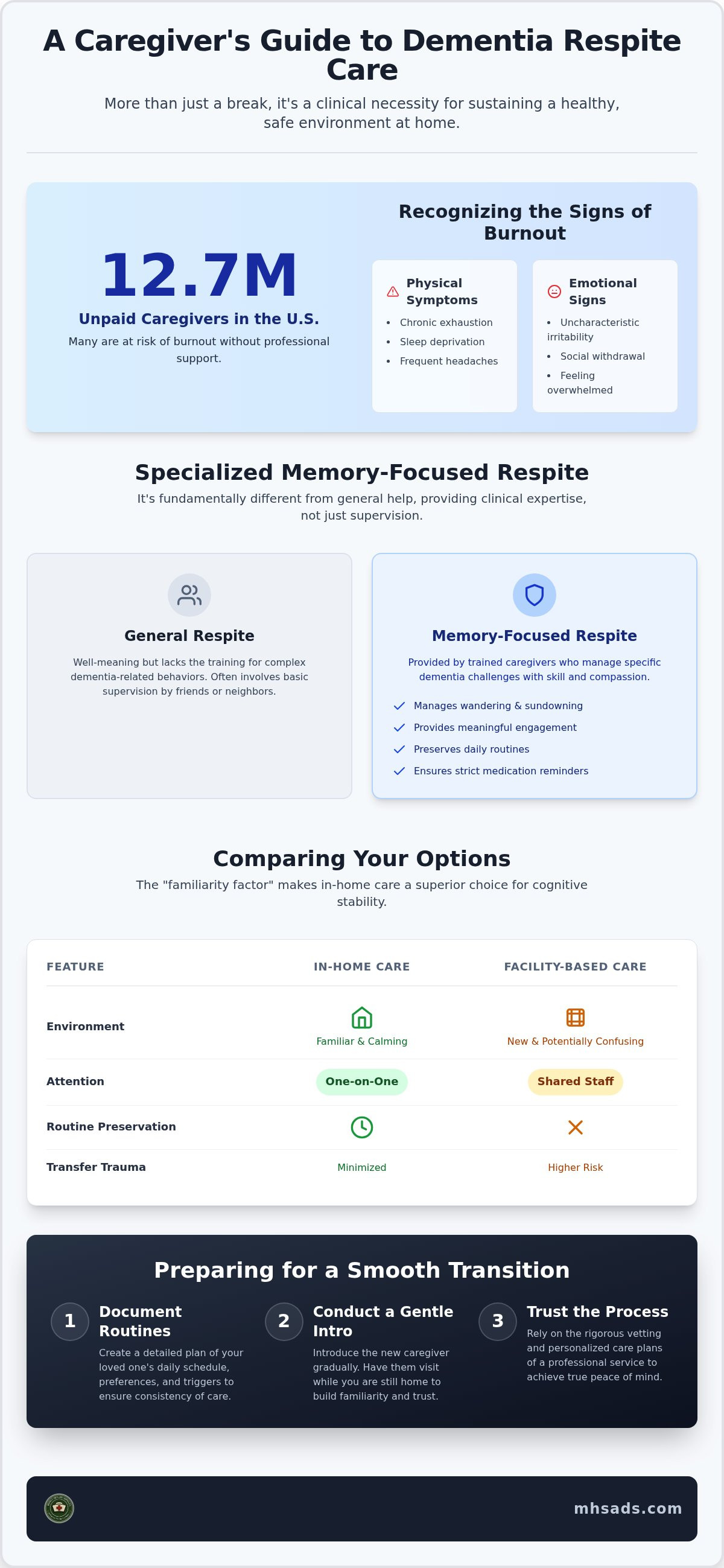
What if taking a break from your caregiving duties was actually the most responsible medical decision you could make for your loved one? If you are one of the 12.7 million unpaid caregivers in the U.S., you likely feel that stepping away, even for a few hours, is a form of abandonment. You might worry about your spouse wandering or becoming agitated with a stranger. It's natural to feel that only you can provide the level of care they deserve, but specialized respite care for dementia patients is often the key to sustaining a healthy, safe environment at home.
We understand that your primary goal is to maintain your loved one's dignity and routine. This guide will show you how professional support provides essential relief for you while ensuring your family member remains safe and supported. You don't have to choose between your own health and their well-being. We will explore how to find a reliable professional who fits your family's needs, how to navigate the 2026 Medicare GUIDE model benefits, and the specific steps you can take to achieve true peace of mind while you recharge.
Key Takeaways
- Understand how specialized respite care for dementia patients serves as a clinical necessity for safety rather than just a luxury for the caregiver.
- Discover how professional caregivers use meaningful engagement and companionship to reduce anxiety and manage common challenges like sundowning.
- Learn why the "familiarity factor" makes in-home care a superior choice for maintaining cognitive stability compared to facility-based options.
- Get a step-by-step plan for documenting your loved one’s unique daily routines and conducting a gentle introduction with a new caregiver.
- Find out how a rigorous vetting process and personalized care plans provide the peace of mind you need to step away with confidence.
What is Respite Care for Dementia Patients?
Are you feeling exhausted by the constant vigilance required to keep your loved one safe? Caring for a family member with memory loss is a profound act of love, but it's also a demanding commitment that can leave you feeling physically drained and emotionally isolated. This is where specialized respite care for dementia patients becomes more than just a convenience; it's a vital support system for the entire household. It allows you to step back and breathe, knowing that the person you care for is in capable, compassionate hands.
You might wonder, What is Respite Care exactly? In a general sense, it's a planned or emergency temporary break for family caregivers. However, when dementia is involved, this support must be specifically tailored to address cognitive decline and safety risks. It plays a critical role in preventing a "caregiver crisis" where the primary provider becomes too ill or overwhelmed to continue. By allowing you to recharge, professional assistance helps preserve the family unit and keeps your loved one in their familiar home environment for as long as possible.
It's common to feel that a neighbor or a friend can "keep an eye" on your spouse while you run errands. While these gestures are kind, professional respite care for dementia patients is fundamentally different. It involves trained caregivers who understand the neurological roots of memory-related behaviors. They don't just supervise; they provide meaningful engagement that respects your loved one's dignity while managing complex safety needs that a layperson might not recognize.
The Difference Between General Respite and Memory-Focused Respite
Does the person stepping in know how to respond to a sudden bout of agitation or "exit-seeking" behavior? Memory-focused respite requires specialized skills to handle wandering and the heightened anxiety often associated with sundowning. Our approach at Mercy Health Services centers on routine preservation because we know that consistency is the best tool for reducing confusion. This level of care includes strict medication reminders and maintaining the specific environmental cues that keep your loved one grounded. It's about providing a seamless transition so that your loved one feels supported, not disrupted.
Recognizing the Signs You Need Professional Support
How do you know when you've reached your limit? Physical symptoms like chronic exhaustion, sleep deprivation, or frequent headaches are often your body’s way of sounding an alarm. Emotionally, you might notice you're becoming uncharacteristically irritable or withdrawing from social activities you once enjoyed. Caregiver burnout is a clinical state of physical, emotional, and mental exhaustion that acts as a significant risk factor for both the provider and the patient. Recognizing these signs early is not a sign of failure; it's a proactive step toward ensuring both you and your loved one remain healthy and safe.
How Specialized In-Home Care Supports Memory Health
How can we ensure your loved one feels engaged and respected while you take a much-needed break? When families explore respite care for dementia patients, the focus often shifts entirely to the caregiver's relief. While your rest is essential, the quality of the experience for your family member is just as vital. Professional caregivers don't simply sit in a room; they use meaningful engagement to stimulate cognitive function through activities tailored to the individual's history and preferences. This purposeful interaction does more than pass the time. It helps reduce the social isolation that often accelerates cognitive decline.
When Comparing Respite Care Options, many families find that the one-on-one companionship provided at home is the most effective way to manage anxiety. This is especially true during the late afternoon hours when "sundowning" often leads to increased restlessness and confusion. A familiar face and a steady presence can soothe these transitions, maintaining the dignity of the individual through personalized assistance with daily tasks. Whether it's help with dressing or gentle guidance during a meal, the goal is always to support their independence rather than take it away.
How do we protect them from the hidden hazards of a kitchen or an unlocked front door? Specialized in-home support includes constant monitoring to prevent accidents before they happen. By staying in their own living room, surrounded by their own photos and furniture, the person with dementia experiences far less "transfer trauma" than they might in a clinical setting. Our team acts as a trusted guide during these hours, ensuring that safety and comfort go hand in hand.
Safety Protocols in the Home Environment
Safety for those with cognitive decline requires a proactive eye for detail. Professional caregivers provide mobility assistance and fall prevention strategies that are specific to the spatial confusion often caused by dementia. They manage "exit-seeking" behaviors with compassion, using redirection techniques rather than confrontation. This approach keeps your loved one safe within the familiar boundaries of their home, where they feel most secure.
Nutritional and Medication Management
Proper nutrition and medication management are the invisible foundations of memory health. Dehydration is a common but preventable trigger for increased confusion and agitation in seniors with memory loss. Caregivers ensure consistent meal preparation and hydration throughout the day. They also provide critical medication reminders to maintain behavioral stability. Every change in mood, appetite, or physical condition is carefully documented, giving you a clear and reliable report when you return.
Comparing Your Options: In-Home vs. Facility-Based Respite
How do you decide which environment is best for your loved one’s unique needs? For many families, the decision between in-home support and a facility-based stay comes down to a balance of safety, comfort, and cost. While residential facilities offer a structured environment, respite care for dementia patients at home is often considered the gold standard. This is because it prioritizes the "familiarity factor," allowing your family member to remain in a setting where they feel most secure. Unlike nursing homes or adult day centers that operate on rigid institutional schedules, hourly private-duty care offers the flexibility to maintain your existing household routine without disruption.
When exploring Respite Care for Dementia, it's helpful to analyze the level of attention provided. In a facility, your loved one is often one of many in a group setting, which can lead to overstimulation or a lack of individual engagement. Private-duty care ensures one-on-one attention. This means the caregiver is focused solely on your family member's safety and emotional well-being. While short-term nursing home stays are an option, the cost of private pay home care is often more manageable for families who only need support for a few hours or a few days at a time.
The Hidden Impact of Transfer Trauma
What happens when a person with memory loss is suddenly moved to a clinical setting? Transfer trauma refers to the acute confusion and cognitive decline that can occur when a dementia patient is uprooted from their known environment. Staying at home preserves the "anchors" of a patient’s daily life, such as their favorite chair or the specific way the light hits the living room in the afternoon. Familiar smells and sights reduce dementia-related anxiety by providing constant, wordless reassurance that they are in a safe place. This stability is often the difference between a peaceful break for you and a stressful ordeal for them.
Personalization and Consistency
How can a new caregiver possibly know your father’s specific preferences or your mother’s favorite morning tea? This is why consistency and vetting are so important. A professional caregiver becomes a stable partner who learns the unwritten rules of your household and the nuances of your loved one's history. Private-duty care allows for a care plan that mirrors your family's habits exactly. You can learn more about personal care assistance and how it integrates with respite to provide a seamless, dignified experience for your loved one while you are away.
How to Prepare for Your First Respite Care Session
How do you hand over the keys to your loved one’s daily life to someone new? The first session of respite care for dementia patients often feels like a hurdle, but a well-managed transition can turn anxiety into relief. Preparation is the bridge that connects your expertise as a family caregiver with the professional skills of a new care partner. By following a structured "hand-off" process, you can ensure your family member feels secure and you feel confident during your time away.
Creating a Comprehensive Care 'Cheat Sheet'
You know the subtle cues that signal hunger or frustration. Documenting these "unwritten rules" is the first step in a successful transition. Your cheat sheet should act as a roadmap for the caregiver, focusing on the human elements of care rather than just medical tasks. Include the following details:
- Triggers and Soothers: List specific sounds, phrases, or situations that cause agitation, along with the music or activities that provide comfort.
- Meaningful Conversation: Provide three or four favorite topics from their past that the caregiver can use to build a quick, respectful bond.
- Home Layout: Identify "safe zones" where they like to sit and any potential hazards, such as a tricky step or a door that needs to remain locked.
- Dietary Preferences: Note not just what they eat, but how they like it served to maintain their sense of routine.
The 'Slow Introduction' Strategy
Why rush a new relationship? We recommend a "shadowing" hour where the professional caregiver observes your routine while you are still present. This allows your loved one to see the new person as a friend of the family rather than a stranger. You can explain the caregiver's presence simply as "a helper for the house" to avoid causing alarm or resistance. This period also gives you a chance to see our commitment to vetted reliability in action, ensuring the caregiver is observant and attentive to your loved one's specific needs.
Setting clear expectations for communication is equally vital. Before you leave, establish how you want to receive updates. Do you prefer a text every hour, or a summary at the end of the session? Ensure the caregiver has easy access to emergency protocols, including contact information for your preferred pharmacy and primary doctor. If you’re ready to start this transition with a partner who understands these nuances, you can request a personalized consultation today.
Finally, give yourself permission to feel. It’s normal to experience "caregiver guilt" during those first few hours away. Remember that taking this break isn't an act of abandonment; it's a way to refuel your own patience and energy. When you return refreshed, you are better equipped to provide the high-quality care your loved one deserves. Trust the process and the professional support you've put in place.
Trusting Mercy Health Services for Dementia Respite
How do you find the strength to trust another person with the safety and dignity of your loved one? We understand that choosing a care partner is a decision layered with emotion and uncertainty. You aren't just looking for someone to fill a shift; you're looking for a stable anchor who understands the nuances of memory loss. At Mercy Health Services, our "Compassionate Navigator" approach is designed to simplify this transition for your family. We don't just provide a service; we act as a trusted guide, ensuring that respite care for dementia patients feels like a natural extension of your own family’s care and values.
Our commitment begins with the belief that every individual deserves to be treated with profound respect. Whether your family member requires gentle companionship or more intensive mobility assistance, our focus remains on person-centered support. We prioritize the human element, ensuring that your loved one’s daily habits and personal preferences are honored at every step. This dedication to dignity-first care allows you to step away with the peace of mind that your home remains a sanctuary of safety and warmth.
Vetted Professionals You Can Rely On
How can you be certain that the person entering your home is truly prepared for the challenges of memory care? We address this concern through a foundation of vetted reliability. Every caregiver on our team undergoes a rigorous background-check process and comprehensive screening to ensure your family's absolute security. Beyond these standards, our caregivers receive specialized training focused on dementia and memory support. This expertise allows them to handle agitation or confusion with calm, professional reassurance. We take the time to match caregivers to the specific personality and needs of your loved one, fostering a sense of consistency and trust from the very first visit.
Flexible Solutions for Every Family
Does your family need a few hours of companionship on a Tuesday afternoon, or are you looking for 24/7 high-acuity monitoring during a weekend away? We recognize that the needs of those living with progressive illness are rarely static. Our solutions are designed to be as flexible as your life requires. We offer a range of support options, including personal care assistance, meal preparation, and medication reminders, all integrated into a personalized care plan that mirrors your existing household habits. We are here to serve as your partner in this journey, providing the steady support you need to maintain your own well-being. If you are ready to explore a path toward relief and renewed energy, you can schedule a free consultation with Mercy Health Services today to create a care plan that works for your family.
Finding Your Path to Sustainable Care
How will you sustain the energy needed to care for your loved one in the months and years ahead? We have explored how respite care for dementia patients is a vital medical tool that protects your health while keeping your family member safe and comfortable. By choosing in-home support, you avoid the trauma of relocation and ensure your loved one remains surrounded by the routines they know. Our approach focuses on personalized care plans and specialized memory care training, ensuring that every interaction is meaningful and dignified.
You don't have to carry this weight alone. With our vetted, background-checked caregivers, you can find the reliable partnership you deserve. Take a much-needed breath; explore our compassionate respite care options at Mercy Health Services. You have already shown incredible strength; now, let us provide the support that allows you to continue your journey with peace of mind.
Frequently Asked Questions
Is respite care for dementia patients covered by insurance or Medicare?
As of 2026, the Medicare GUIDE Model provides up to $2,500 annually for respite services for eligible patients. This benefit, which launched on July 1, 2024, is specifically for unpaid caregivers of Medicare beneficiaries enrolled in participating programs. While traditional Medicare coverage for long-term care remains limited, various state-specific Medicaid waiver programs may also offer financial assistance. It's best to verify your specific eligibility with your dementia care provider or Mercy Health Services.
How do I know if my loved one is ready for a professional respite caregiver?
Your loved one may be ready for professional support when their safety needs require constant vigilance that you can no longer provide alone. Common signs include frequent wandering, increased agitation, or the onset of sundowning behaviors that disrupt the household. If you are experiencing physical exhaustion or persistent anxiety about their safety, introducing a professional caregiver is a proactive step to preserve your health and their dignity.
Can a respite caregiver handle aggressive behaviors or sundowning?
Yes, professional caregivers receive specialized training to manage behavioral challenges like sundowning and physical agitation with compassion. Rather than using confrontation, they employ redirection techniques and sensory engagement to help calm the individual. By maintaining a steady, reassuring presence and following a consistent evening routine, a trained caregiver can often de-escalate tension and provide a sense of security for your family member.
How often should I schedule respite care for dementia patients to prevent caregiver burnout?
We recommend scheduling respite care for dementia patients at least once or twice a week to maintain a healthy caregiving balance. Consistency is vital for individuals with memory loss; a regular schedule helps them become familiar and comfortable with the caregiver. For you, these predictable breaks are essential for preventing the chronic stress and sleep deprivation that often lead to long-term caregiver burnout.
What happens if my loved one becomes upset while I am away during respite?
If your loved one becomes distressed, our caregivers use your personalized "cheat sheet" to identify familiar comforts and favorite topics of conversation. They are trained to remain calm and use redirection to shift the patient's focus toward a safe, pleasant activity. We also establish clear communication protocols before you leave, so we know exactly when and how you would like to be notified of any changes.
What is the difference between home health care and private-duty respite care?
Home health care typically provides skilled medical services like wound care, while private-duty respite care focuses on daily living assistance and companionship. Our services include personal care, meal preparation, and medication reminders. While home health is often short-term and clinical, private-duty care is a collaborative partnership designed to support your loved one’s long-term routine and independence within the comfort of their own home.
How do you ensure the safety of a dementia patient who likes to wander?
We ensure safety through constant, one-on-one monitoring and proactive environmental awareness. Caregivers are trained to recognize the early signs of "exit-seeking" and use compassionate redirection to guide the patient back to a safe activity. By staying in a familiar home environment, the spatial confusion that often triggers wandering is significantly reduced compared to the trauma and disorientation caused by a facility stay.
Can I get respite care for a loved one under 50 with early-onset dementia?
Yes, we provide private-duty home care for adults under 50 who are living with early-onset dementia. We understand that younger individuals have unique social and physical needs that differ from the elderly population. Our caregivers focus on meaningful engagement and age-appropriate companionship to help maintain a sense of normalcy and dignity for your loved one while providing you with the relief you need.
Frequently Asked Questions
As of 2026, the Medicare GUIDE Model provides up to $2,500 annually for respite services for eligible patients. This benefit, which launched on July 1, 2024, is specifically for unpaid caregivers of Medicare beneficiaries enrolled in participating programs. While traditional Medicare coverage for long-term care remains limited, Medicaid waiver programs in Maryland may also offer financial assistance. It's best to verify your specific eligibility with your dementia care provider.
Your loved one may be ready for professional support when their safety needs require constant vigilance that you can no longer provide alone. Common signs include frequent wandering, increased agitation, or the onset of sundowning behaviors that disrupt the household. If you are experiencing physical exhaustion or persistent anxiety about their safety, introducing a professional caregiver is a proactive step to preserve your health and their dignity.
Yes, professional caregivers receive specialized training to manage behavioral challenges like sundowning and physical agitation with compassion. Rather than using confrontation, they employ redirection techniques and sensory engagement to help calm the individual. By maintaining a steady, reassuring presence and following a consistent evening routine, a trained caregiver can often de-escalate tension and provide a sense of security for your family member.
We recommend scheduling respite care for dementia patients at least once or twice a week to maintain a healthy caregiving balance. Consistency is vital for individuals with memory loss; a regular schedule helps them become familiar and comfortable with the caregiver. For you, these predictable breaks are essential for preventing the chronic stress and sleep deprivation that often lead to long-term caregiver burnout.
If your loved one becomes distressed, our caregivers use your personalized "cheat sheet" to identify familiar comforts and favorite topics of conversation. They are trained to remain calm and use redirection to shift the patient's focus toward a safe, pleasant activity. We also establish clear communication protocols before you leave, so we know exactly when and how you would like to be notified of any changes.
Home health care typically provides skilled medical services like wound care, while private-duty respite care focuses on daily living assistance and companionship. Our services include personal care, meal preparation, and medication reminders. While home health is often short-term and clinical, private-duty care is a collaborative partnership designed to support your loved one’s long-term routine and independence within the comfort of their own home.
We ensure safety through constant, one-on-one monitoring and proactive environmental awareness. Caregivers are trained to recognize the early signs of "exit-seeking" and use compassionate redirection to guide the patient back to a safe activity. By staying in a familiar home environment, the spatial confusion that often triggers wandering is significantly reduced compared to the trauma and disorientation caused by a facility stay.
Yes, we provide private-duty home care for adults under 50 who are living with early-onset dementia. We understand that younger individuals have unique social and physical needs that differ from the elderly population. Our caregivers focus on meaningful engagement and age-appropriate companionship to help maintain a sense of normalcy and dignity for your loved one while providing you with the relief you need.