
Compassionate In-Home Dementia Care in Maryland: A Comprehensive 2026 Guide for Families
August 10, 2026 · 17 min read
Have you ever found yourself sitting in the quiet of the night, wondering if the next sound you hear will be a loved one wandering toward the front door? It's a heavy burden to carry alone, and the fear of a household accident often feels like a constant shadow over your daily life. You want to honor their wish to stay at home, but the chronic stress of caregiving is likely making it harder to find the joy in your relationship. Seeking professional in-home dementia care isn't about giving up; it's about choosing a partner who can help you navigate these complexities with expert precision and genuine warmth.
We understand the deep sense of responsibility you feel and the guilt that often comes with asking for help. It's okay to admit that you need a steady hand to help manage the daily challenges of memory loss. This 2026 guide is designed to show you how a person-centered approach prioritizes your loved one's dignity and safety while they remain in familiar surroundings. You'll learn how specialized support helps maintain their independence for as long as possible, allowing you to finally regain time for your own health and your family. We'll provide a clear roadmap for creating a secure environment that restores balance to your home and peace to your mind.
Key Takeaways
- Learn how a comprehensive home safety assessment and personalized routines can protect your loved one while preserving their dignity and sense of self.
- Discover why in-home dementia care Maryland offers a more flexible, one-on-one alternative to traditional memory care facilities.
- Find gentle strategies for introducing professional assistance, such as framing the caregiver as a "companion" to reduce resistance and anxiety.
- Understand the key differences between hourly respite visits and 24/7 live-in support to choose the path that best fits your family's unique needs.
- Explore how partnering with vetted, background-checked caregivers allows you to step back from the "caregiver" role and focus on being a family member again.
Understanding the Role of In-Home Dementia Care in Maryland
What distinguishes specialized memory support from traditional assistance? While standard home care often centers on physical tasks, in-home dementia care Maryland prioritizes the unique cognitive and emotional needs of someone living with memory loss. It's a proactive approach that blends personal care with therapeutic engagement. By focusing on the person rather than just the diagnosis, this type of support creates a stable environment where your loved one feels understood and safe. For those seeking a comprehensive overview of dementia care, it's clear that the primary goal is to preserve the individual's dignity while managing the progressive nature of the condition.
This specialized support includes personal care assistance, mobility help, and meal preparation, all tailored to the specific stage of memory loss. It transforms the home from a place of potential danger into a sanctuary of structured support. Professional assistance is particularly vital for managing high-risk behaviors like "sundowning" or wandering. These symptoms often peak in the late afternoon, causing increased confusion and a desire to "go home," even when they're already there. A trained caregiver understands these triggers and uses redirection techniques to maintain a calm atmosphere. This level of private-duty assistance provides families with a reliable anchor, ensuring that 24/7 supervision is available to prevent accidents before they happen.
Why Familiarity Matters in Memory Care
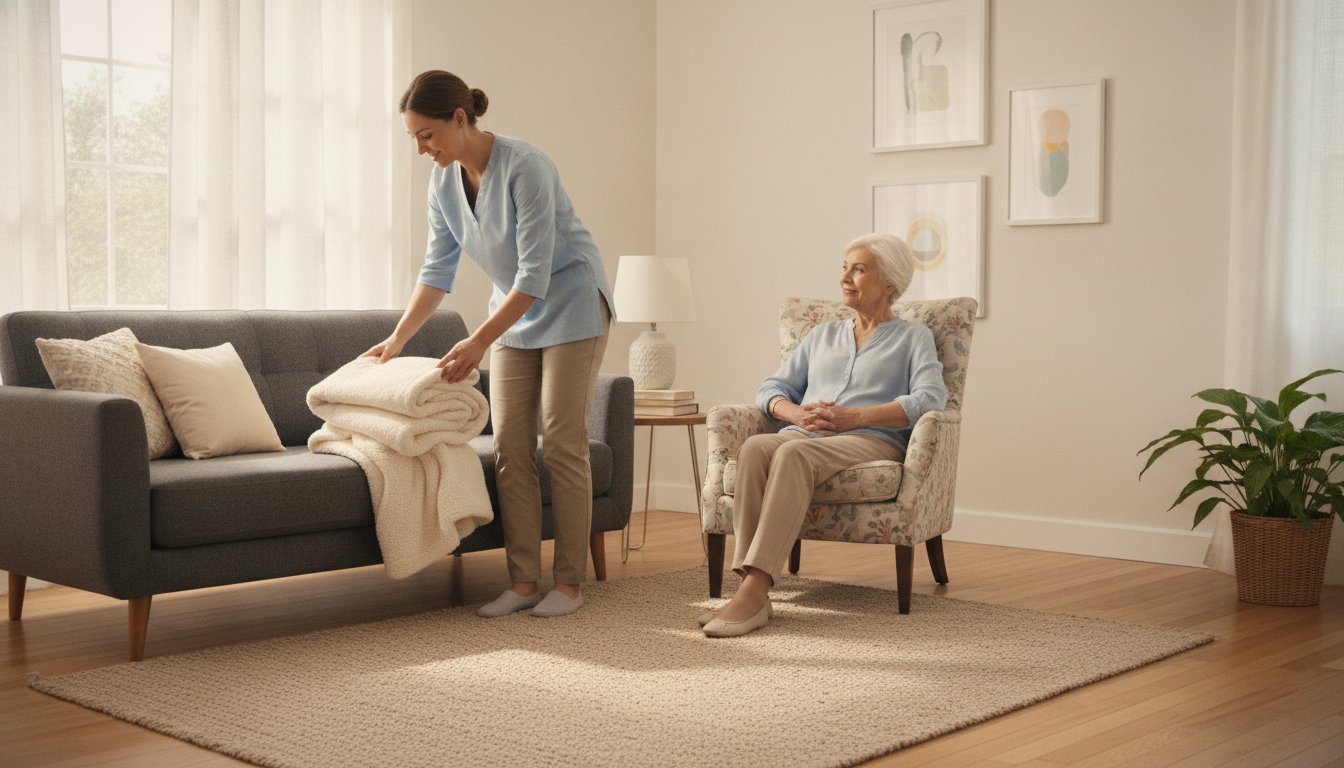
Have you noticed how much more relaxed your loved one is in their favorite chair? For someone with cognitive impairment, every change in their environment can feel like a mountain to climb. Familiar surroundings act as a "memory anchor," reducing the frequent agitation and anxiety that often accompany new or clinical settings. Consistent daily routines, delivered by the same friendly faces, help maintain cognitive function by reinforcing neural pathways through repetition. Aging in place is defined as the clinical preference for maintaining a senior in their own home to promote memory stability and reduce the trauma of relocation.
Identifying the Need for Professional Intervention
Is it getting harder to ensure they're eating balanced meals or taking their medication on time? It's often difficult to tell where normal aging ends and a need for specialized support begins. While occasional forgetfulness is common, red flags include noticeable changes in personal hygiene, unexplained weight loss, or missed doses of vital prescriptions. Professional assistance steps in when the role of a family caregiver shifts from a labor of love to an overwhelming burden that affects your own health. Recognizing these signs early allows for a smoother transition into in-home dementia care Maryland, creating a partnership that protects both the senior's safety and the family's well-being.
The Essential Components of Specialized Memory Support
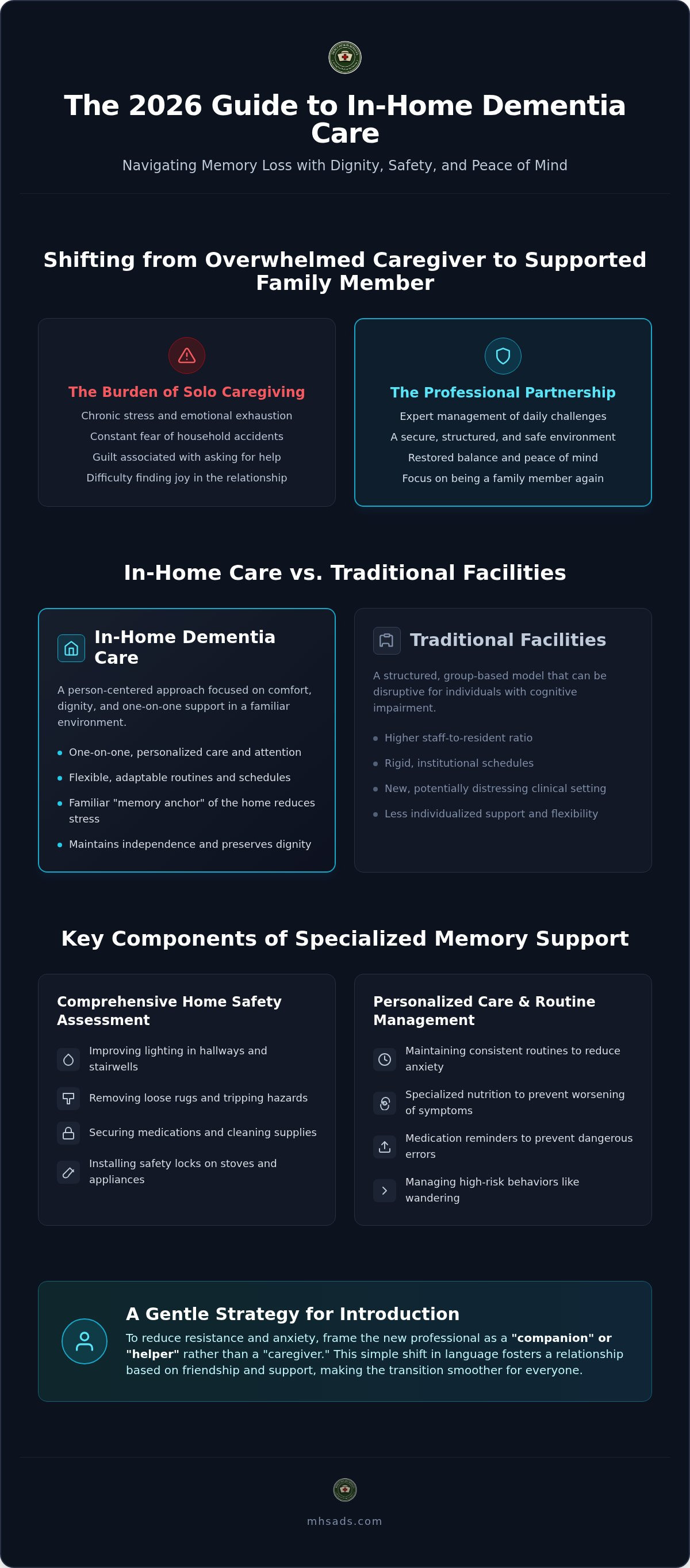
Have you walked through your home recently and looked at it through the lens of someone with memory loss? What might seem like a simple decorative rug or a standard stove knob can become a significant hazard for someone living with dementia. A cornerstone of effective in-home dementia care Maryland is a comprehensive home safety assessment. This process identifies specific risks and provides practical modifications to create a secure space. By making these adjustments, we allow your loved one to move freely without constant intervention, which directly supports their sense of independence. Common safety focus areas include:
- Improving lighting in hallways and stairwells to reduce confusion and falls.
- Removing loose rugs or cluttered walkways that pose tripping hazards.
- Securing cleaning supplies, chemicals, and medications in locked cabinets.
- Installing safety locks on stoves or water heaters to prevent accidental burns.
Maintaining a consistent daily routine is about more than just a schedule; it's about providing a predictable rhythm that reduces anxiety. This includes specialized nutrition and meal preparation. Did you know that dehydration or poor nutrition can actually mimic or worsen the symptoms of dementia? Caregivers ensure that meals are not only nutritious but also presented in a way that encourages eating. Similarly, medication reminders are essential. Forgetting a dose or taking a double dose can lead to severe health complications, so having a professional there to prompt these tasks provides an invaluable layer of safety for Maryland families.
Cognitive Engagement and Companionship
Memory support isn't just about physical safety; it's about keeping the spark of personality alive. Companionship and socialization are powerful tools that help slow cognitive decline by keeping the mind active. By engaging in meaningful activities, such as looking through old photo albums or listening to familiar music, we provide the mental stimulation necessary for emotional well-being. This is where personal care assistance truly shines. It integrates the functional support of daily living with the warmth of a dedicated companion who understands your loved one's unique history and preferences.
Managing High-Acuity Needs and Mobility
As dementia progresses, the needs often move from simple reminders to high-acuity support. This includes assistance with Activities of Daily Living (ADLs) such as bathing, dressing, and grooming. For families in Maryland, programs like In-Home Aides Services (IHAS) can offer some relief, but private-duty care provides the continuous, one-on-one attention required for more complex cases. Safe transfer techniques and mobility assistance are critical to prevent falls, which are a leading cause of injury in seniors with memory loss. For those who require 24/7 monitoring, around-the-clock supervision ensures that help is always just a few steps away, day or night. If you're feeling overwhelmed by the weight of these responsibilities, you don't have to carry them alone. You can reach out for a consultation to see how a tailored plan can bring stability back to your household.
Comparing Care Options: Private-Duty Home Care vs. Facilities
Choosing the right path for a loved one's future is one of the most significant decisions a family can make. How do you decide between the familiarity of a family living room and the structured environment of a memory care facility? While facilities offer a community setting, they often operate with staff-to-resident ratios that limit individual attention. In contrast, in-home dementia care Maryland provides a dedicated one-on-one partnership. This means the caregiver's entire focus is on your loved one’s safety, comfort, and emotional state at every moment of the day.
Flexibility is another hallmark of private-duty care. Unlike the fixed schedules of institutional living, home-based support adapts to your family's needs. You might start with a few hours of meal preparation or light housekeeping to handle daily chores. As needs evolve, this can transition into 24/7 supervision. Choosing in-home dementia care Maryland allows your loved one to maintain their existing community ties and family connections, which are vital for emotional stability. Staying at home means they can keep their favorite chair, their familiar garden, and their beloved pets.
The Benefits of One-on-One Caregiving
Why does personalized attention lead to better health outcomes? When a caregiver is matched to a client’s personality, they learn to recognize subtle changes in mood or behavior that a rotating facility staff might miss. This consistency is a powerful tool for reducing the agitation common in memory loss. By choosing to stay at home, you also avoid the risk of transfer trauma. This is the severe distress and cognitive decline that can occur when a person with dementia is moved to an unfamiliar environment. One-on-one care ensures that the support is always person-centered rather than transactional.
Evaluating the Financial Investment
Is home care a viable option for your family's budget? Many families find that tailoring hours to specific needs makes this a manageable choice. Most private-duty services are funded through private-pay options or long-term care insurance policies. Starting with shorter sessions of respite care provides a cost-effective way to introduce professional help. When you consider that assisted living costs in Maryland are approximately 16% above the national median, the value of a one-on-one home approach becomes even clearer. It's about investing in a solution that prioritizes comfort while preserving your family's financial peace of mind.
How to Transition Your Loved One to Professional Support
How do you begin the conversation about bringing someone new into the home? For many families, the transition to professional support feels like a hurdle too high to jump. One of the most effective strategies is changing the language you use. Instead of introducing a "nurse" or "caregiver," which can feel clinical or invasive, try introducing a "companion" or a "household helper." This subtle shift in vocabulary preserves your loved one's sense of dignity. It positions the new person as a supportive friend rather than a medical supervisor.
Starting with short respite care sessions is another way to build trust slowly. These brief visits allow your loved one to get comfortable with the presence of a new face without feeling overwhelmed. By involving them in the selection process, even in small ways like choosing which day the helper visits, you help them maintain a sense of control over their own lives. As your Compassionate Navigator, we facilitate these first visits with extreme care. We ensure the introduction is as seamless and stress-free as possible for everyone involved.
Overcoming Resistance and Guilt
Is that voice in your head saying, "Nobody knows them like I do"? It's a common sentiment born from years of dedicated care, but it can also lead to deep exhaustion. Overcoming the guilt of seeking help is essential for your own well-being. If your loved one refuses care, don't force the issue immediately. Instead, present the assistant as someone there to help you with the housework or meal preparation. Accepting in-home dementia care Maryland isn't an admission of failure. It's a proactive decision to ensure the highest quality of life for the entire family.
Creating a Collaborative Care Plan
How do we ensure the care remains person-centered? It starts with a free initial consultation where we listen to your unique story. We work with you to document your loved one's history, daily preferences, and specific triggers that might cause agitation. This collaborative care plan acts as a living document that evolves as their needs change. We also establish clear communication channels so you're always informed about their daily well-being. If you're ready to take that first step toward a more balanced life, you can schedule your free consultation today to begin this journey together.
Restoring Peace of Mind with Mercy Health Services
How do you find the strength to trust a stranger with your loved one's most vulnerable moments? It's a question that keeps many Maryland families awake at night. At Mercy Health Services, we don't just provide a service; we offer a partnership built on vetted reliability and deep-seated empathy. Our approach to in-home dementia care Maryland is designed to lift the weight from your shoulders, allowing you to step back from the role of a task-manager and return to being a daughter, son, or spouse. We believe that professional reassurance should always be balanced with a soft, human touch that honors the person behind the diagnosis.
Memory loss is not a static condition, and your support system shouldn't be either. We specialize in creating personalized care plans that are specifically structured to evolve as your loved one's condition changes. Whether they are in the early stages of forgetfulness or require high-acuity, 24/7 supervision, our assistance remains consistent and proactive. We also prioritize transparency in our fee structures for extended-hour care. You deserve to know exactly how your resources are being used to provide safety and dignity, without the stress of hidden costs or clinical jargon. This clarity allows you to focus on what truly matters: making the most of every meaningful interaction with your family member.
Our Vetted Reliability Standards
What does it mean to be a "Trusted Guide" in memory care? It starts with a rigorous screening process that every member of our care team must pass. We conduct thorough background checks and vetting to ensure that only the most dependable and compassionate individuals enter your home. Beyond their initial qualifications, our caregivers receive ongoing training in the latest dementia and memory care techniques. This ensures they're equipped to handle the nuances of cognitive decline with patience and skill. Mercy Health Services can often begin care within a few days, providing a timely solution when you've reached a point of critical need.
Your Next Steps Toward Support
Are you ready to explore how a tailored plan can restore balance to your household? The journey toward better support begins with a free initial consultation. During this first meeting, we'll conduct a thorough assessment of your loved one's needs, preferences, and daily history. We don't just look at their medical requirements; we look at the music they love, the routines that comfort them, and the triggers we need to avoid. This meeting is a chance for us to listen and for you to ask the questions that have been weighing on your mind. If you're looking for a stable anchor in this transition, you can contact Mercy Health Services to discuss your personalized care plan and take the first step toward lasting peace of mind.
Finding a Path Forward for Your Family
Are you ready to reclaim the joy in your relationship with your loved one while knowing they are safe? Choosing in-home dementia care Maryland is a profound act of love that prioritizes both their dignity and your well-being. By opting for personalized care plans that evolve alongside your family member's needs, you ensure they receive the exact level of support required at every stage of memory loss. Whether it's daily companionship or 24/7 high-acuity assistance, professional support transforms the home into a sanctuary of stability.
Our team of vetted, background-checked caregivers is here to act as your stable anchor, providing the reliable presence you need to breathe a little easier. You don't have to navigate these complexities alone. Taking the first step can feel overwhelming, but a clear roadmap is just a conversation away. Schedule your free in-home dementia care consultation today and discover how a dedicated partnership can restore peace of mind to your household. You have the strength to make this choice, and we're here to guide you through it.
Frequently Asked Questions
What is the difference between dementia care and memory care?
Dementia care is the broad support for various symptoms of cognitive decline, while memory care refers to the specialized techniques used for advanced stages. In the home setting, this means focusing on structured routines and safety. In-home dementia care Maryland provides a person-centered approach that adapts as the condition progresses. It's about meeting your loved one exactly where they are today while preparing for tomorrow's changes.
How much does in-home dementia care cost in Maryland?
The cost of care in Maryland is determined by the specific hours of support required and the level of acuity involved. While rates can vary by county, families often find that tailoring a plan to their budget is more manageable than the fixed costs of a facility. We recommend a consultation to discuss your specific needs. This allows us to create a transparent plan that reflects your family's unique situation.
Can I get 24/7 care for a loved one with advanced Alzheimer's?
Yes, 24/7 supervision is a vital option for families managing advanced Alzheimer's. This continuous support ensures that someone is always present to assist with mobility, prevent falls, and manage nighttime confusion. For many, this around-the-clock presence is what makes aging in place possible. It provides the peace of mind that your loved one is never alone, especially during the challenging evening hours when sundowning symptoms often peak.
How do you handle a dementia patient who wanders or becomes aggressive?
Caregivers are trained to use gentle redirection and environmental modifications to handle wandering or agitation. By identifying the underlying triggers, such as hunger or noise, we can often prevent these behaviors before they escalate. We focus on maintaining a calm, predictable atmosphere that reduces the senior's anxiety. This proactive approach prioritizes their dignity while ensuring the home remains a safe and secure environment for everyone involved.
Is in-home care safer than a memory care facility?
Many families find that one-on-one attention makes in-home dementia care Maryland a safer choice than a facility with high staff-to-resident ratios. In a home setting, the caregiver's entire focus is on your loved one. This allows for immediate intervention if they attempt to wander or experience a fall. Familiar surroundings also reduce the confusion and agitation that can lead to accidents in an unfamiliar institutional environment.
What happens if our assigned caregiver is not a good fit?
Your peace of mind is our priority, so we work closely with you to ensure a perfect match. If the personality fit doesn't feel right, we'll facilitate a transition to a different member of our vetted care team. We understand that the bond between a caregiver and a senior is the foundation of successful memory support. Finding the right companion is essential for building the trust necessary for long-term comfort and stability.
Does insurance or Medicare cover in-home dementia care?
While standard Medicare typically doesn't cover non-medical home care, other options like long-term care insurance or the Maryland Medicaid waiver program may provide assistance. Most families utilize private-pay options to secure the consistent, one-on-one support their loved one requires. We encourage you to review your specific policy or check with local Maryland agencies to see what benefits might apply to your family's unique care situation.
How quickly can we start receiving care through Mercy Health Services?
We understand that the need for support is often urgent, so we can often begin care within a few days of your assessment. Once you schedule your free consultation, we move quickly to understand your needs and match you with a compatible caregiver. This proactive approach ensures that you don't have to wait weeks for the help you need. We're here to act as your trusted guide through every step.
Frequently Asked Questions
Dementia care is the broad support for various symptoms of cognitive decline, while memory care refers to the specialized techniques used for advanced stages. In the home setting, this means focusing on structured routines and safety. In-home dementia care Maryland provides a person-centered approach that adapts as the condition progresses. It's about meeting your loved one exactly where they are today while preparing for tomorrow's changes.
The cost of care in Maryland is determined by the specific hours of support required and the level of acuity involved. While rates can vary by county, families often find that tailoring a plan to their budget is more manageable than the fixed costs of a facility. We recommend a consultation to discuss your specific needs. This allows us to create a transparent plan that reflects your family's unique situation.
Yes, 24/7 supervision is a vital option for families managing advanced Alzheimer's. This continuous support ensures that someone is always present to assist with mobility, prevent falls, and manage nighttime confusion. For many, this around-the-clock presence is what makes aging in place possible. It provides the peace of mind that your loved one is never alone, especially during the challenging evening hours when sundowning symptoms often peak.
Caregivers are trained to use gentle redirection and environmental modifications to handle wandering or agitation. By identifying the underlying triggers, such as hunger or noise, we can often prevent these behaviors before they escalate. We focus on maintaining a calm, predictable atmosphere that reduces the senior's anxiety. This proactive approach prioritizes their dignity while ensuring the home remains a safe and secure environment for everyone involved.
Many families find that one-on-one attention makes in-home dementia care Maryland a safer choice than a facility with high staff-to-resident ratios. In a home setting, the caregiver's entire focus is on your loved one. This allows for immediate intervention if they attempt to wander or experience a fall. Familiar surroundings also reduce the confusion and agitation that can lead to accidents in an unfamiliar institutional environment.
Your peace of mind is our priority, so we work closely with you to ensure a perfect match. If the personality fit doesn't feel right, we'll facilitate a transition to a different member of our vetted care team. We understand that the bond between a caregiver and a senior is the foundation of successful memory support. Finding the right companion is essential for building the trust necessary for long-term comfort and stability.
While standard Medicare typically doesn't cover non-medical home care, other options like long-term care insurance or the Maryland Medicaid waiver program may provide assistance. Most families utilize private-pay options to secure the consistent, one-on-one support their loved one requires. We encourage you to review your specific policy or check with local Maryland agencies to see what benefits might apply to your family's unique care situation.
We understand that the need for support is often urgent, so we can often begin care within a few days of your assessment. Once you schedule your free consultation, we move quickly to understand your needs and match you with a compatible caregiver. This proactive approach ensures that you don't have to wait weeks for the help you need. We're here to act as your trusted guide through every step.