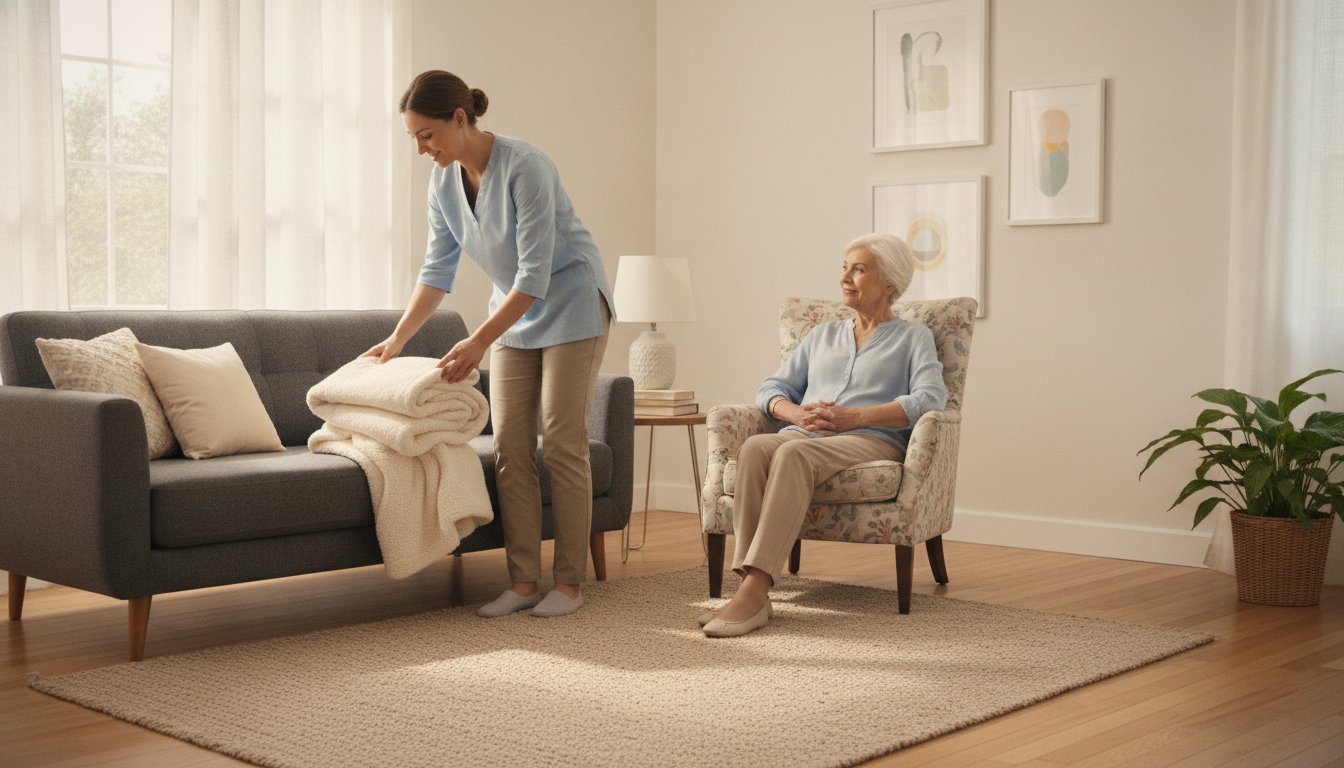

Duties of a Private Duty Caregiver: A Guide for Families
August 8, 2026 · 17 min read
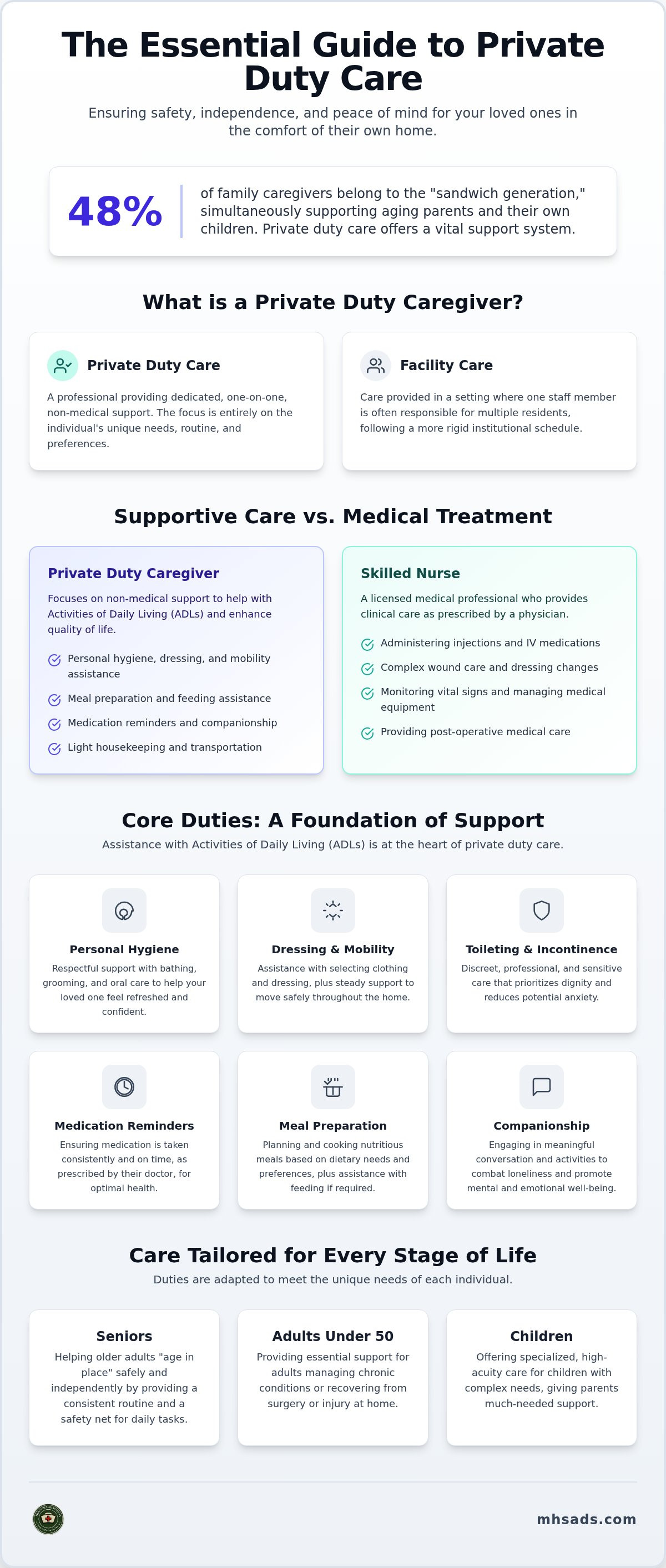
Have you ever found yourself sitting at your desk, unable to focus because you're wondering if your father remembered his morning medication or if he’s steady enough to reach the kitchen safely? It's a common struggle; nearly 48% of all family caregivers are part of the "sandwich generation," simultaneously supporting aging parents and their own children. When you're managing so many roles, it's natural to feel overwhelmed or even guilty about considering outside help. Understanding the specific duties of a private duty caregiver is the first step toward reclaiming your peace of mind while ensuring your loved one remains safe and independent at home.
We understand that inviting someone new into your home is a significant decision that requires trust and clarity. You deserve to know exactly how a professional can assist with daily life, from meal preparation and mobility support to meaningful companionship. In this guide, we'll outline the essential tasks that provide a safety net for your family. You'll gain a clear framework for building a personalized care plan that respects your loved one's dignity and gives you the freedom to be a daughter or son again, rather than just a coordinator of care.
Key Takeaways
- Learn how the dedicated one-on-one attention of a professional differs from facility care to provide a higher standard of personalized support.
- Discover the essential duties of a private duty caregiver, ranging from respectful personal hygiene assistance to ensuring medication is taken on time.
- Explore how lifestyle support like meal planning and light housekeeping can transform your loved one's home into a safer, more comfortable environment.
- Understand how care adapts for different life stages, including specialized support for children with high-acuity needs and adults under 50 managing chronic conditions.
- Find out how a personalized care plan and the right personality match create a foundation of trust and long-term success for your family.
What is a Private Duty Caregiver and How Does the Role Work?
What does it truly mean to have a dedicated partner in care? A private duty caregiver is a professional who provides one-on-one, non-medical support right in the comfort of a client's residence. Unlike a facility setting where one staff member might be responsible for a dozen residents at once, the "private" distinction means your loved one receives undivided attention. This model ensures that the duties of a private duty caregiver are entirely focused on the individual's unique needs rather than a rigid institutional schedule. It's a relationship built on consistency, where the same person arrives at the door, understands the routine, and anticipates needs before they become problems.
The scope of this care primarily centers on Activities of Daily Living (ADLs) and meaningful companionship. Because every family situation is different, the role is inherently flexible. Some families may only require assistance for a few hours each morning to help with the transition into the day. Others might need the security of 24/7 support to manage more complex daily routines or to prevent the fear of a midnight fall. This adaptability allows the support to grow and change as your loved one's needs evolve, ensuring they always have the right level of assistance.
The Difference Between Private Duty and Skilled Nursing
Do you need a nurse or a supportive companion? It's a common question for families trying to identify the right level of help. Private duty care focuses on "support" rather than "medical treatment." While a skilled nurse might handle complex wound care or administer injections, a private duty caregiver assists with essential tasks like bathing, dressing, and meal preparation. These professionals often work alongside medical teams to ensure a holistic recovery. To better understand the broad spectrum of these roles, you might ask, What is a Caregiver? in a formal sense. Essentially, they act as the "eyes and ears" in the home, providing the daily assistance that makes medical recovery possible.
Why Families Choose Private Duty Support
Why is this path often the preferred choice for families in transition? The primary goal is usually preserving independence. Most people want to "age in place" in the surroundings they love, surrounded by their own memories. Having a consistent, vetted professional in the home provides a level of stability that facilities cannot always match. Since a personalized care plan dictates the duties of a private duty caregiver, the daily routine is never generic. It's built around your loved one's favorite breakfast, their preferred walking route, and their specific medication schedule. This high level of customization turns a service into a collaborative partnership that respects the dignity of the person receiving care.
Core Duties: Assistance with Activities of Daily Living (ADLs)
How do we ensure our loved ones feel like themselves when daily tasks become difficult? It's about more than just checking items off a list; it's about preserving the rhythm of a life well lived. Activities of Daily Living, or ADLs, are the essential building blocks of independent living. When the duties of a private duty caregiver are performed with a focus on dignity, they provide a safety net that allows a person to remain in their own home. These tasks are the foundation of one-on-one care, ensuring that physical needs are met without sacrificing the client's sense of self-worth.
Personal hygiene assistance is one of the most vital areas where a professional makes a difference. This includes respectful support with bathing, grooming, and oral care. Rather than feeling like a loss of privacy, these moments become opportunities for a client to feel refreshed and ready for the day. A caregiver also helps with dressing, ensuring the individual chooses clothing that makes them feel confident and comfortable. For more sensitive needs, such as toileting and incontinence care, a trained professional provides support with absolute discretion, reducing the anxiety many seniors feel when asking for help. These Caregiver Responsibilities ensure that even as physical abilities change, the daily routine remains dignified. If you're wondering how these services might look for your specific situation, a free consultation can help clarify the path forward.
Feeding assistance is handled with the same level of care and patience. The goal isn't just to provide nutrition, but to encourage as much autonomy as possible. A caregiver provides the physical help needed to eat while allowing the individual to lead the pace of their meal. This collaborative approach turns a basic necessity into a moment of connection and independence.
Mobility and Transfer Support
Falls are a primary concern for families, often leading to a fear of movement that limits a loved one's world. Caregivers act as a proactive "second pair of eyes," providing steady support during walks or light exercise. They're trained in safe transfer techniques, helping individuals move from a bed to a chair or a chair to the toilet without the risk of injury. For those who are bedbound, consistent positioning is a critical duty. By helping clients shift regularly, caregivers prevent the development of painful pressure ulcers, commonly known as bedsores, which can lead to more serious health complications.
Medication Reminders and Health Monitoring
Do you worry about a missed dose or a double dose of medication? It's vital to understand the distinction between medication administration and medication reminders. While they don't prescribe or dose, caregivers keep the schedule on track by prompting the client when it's time for their next pill. They also play a vital role in health monitoring by observing and reporting changes in mood, appetite, or physical condition to the family. This vigilance extends to hydration; ensuring a client drinks enough water throughout the day is a simple yet essential task that prevents many common health issues.
Beyond the Basics: Lifestyle and Household Support Duties
How do we ensure that a home remains a place of joy, rather than just a place of care? While physical assistance is the foundation, the duties of a private duty caregiver extend far into the daily lifestyle of the person they serve. It's about creating an environment where a loved one doesn't just survive, but thrives. This broader support includes nutritional planning, maintaining an orderly home, and providing the reliable transportation needed to stay connected to the community. These tasks transform a residence into a functional, supportive space that adapts to the client's needs.
Nutritional support is a central part of this partnership. Instead of relying on processed snacks or repetitive meals, a caregiver plans and prepares healthy options that align with specific dietary restrictions, such as low-sodium or heart-healthy menus. Light housekeeping also plays a vital role in well-being. By handling laundry, washing dishes, and tidying common areas, the caregiver ensures the home remains a sanctuary of comfort. This assistance allows your family member to focus their energy on recovery or hobbies rather than the stress of household chores.
Creating a Safe and Orderly Home Environment
Does the layout of the home still serve your loved one's safety? A proactive caregiver constantly observes the living space to identify and remove household hazards. This might involve clearing clutter from walkways or suggesting the removal of loose rugs that could cause a slip. Beyond safety, they provide grocery management by keeping the pantry stocked with fresh, healthy choices. They also assist with organization, helping the client manage incoming mail or keep track of simple household schedules, ensuring nothing important falls through the cracks.
The Emotional Role: Socialization and Engagement
Do you worry about the silence of a quiet house? Isolation is a significant risk for those living alone, but companionship is one of the most rewarding duties of a private duty caregiver. This isn't just about presence; it's about active engagement. Caregivers provide mental stimulation through shared activities like puzzles, reading aloud, or playing cards. They also bridge the gap of social connection by helping clients use technology to video call friends and family. A professional presence provides a stable, friendly anchor for those living alone, offering emotional security that is difficult to quantify but easy to feel. This meaningful engagement keeps the mind active and the spirit lifted, proving that care is just as much about the heart as it is about physical assistance.
Adapting Duties for Different Life Stages and Needs
Does the role of a caregiver look the same for a toddler as it does for a senior? While the core values of dignity and respect remain constant, the duties of a private duty caregiver must adapt to the unique life stage of the individual. Care is not a static list of chores; it's a dynamic response to a person's specific challenges. Whether supporting a child with developmental delays or a young adult recovering from a major surgery, a professional caregiver acts as a bridge to greater independence. This flexibility is also essential for the 53 million Americans providing unpaid family care. For these families, respite services offer a vital window to rest and recharge, knowing their loved one is in capable hands.
In-Home Support for Children
When providing pediatric care, the focus shifts from "aging in place" to active developmental support. Caregivers work closely with the child's routine and specific therapy goals, ensuring that every activity contributes to their growth. This isn't just about supervision; it's about providing a safe, encouraging environment for play and learning. By acting as an extension of the parent's care team, the caregiver helps maintain a sense of normalcy for the entire household. They provide the specialized attention required for children with high-acuity conditions, allowing parents to focus on being parents rather than full-time medical coordinators.
Support for Chronic Illness and Recovery
How do we support independence for someone in the prime of their life? For adults under 50, the duties of a private duty caregiver often center on managing progressive illnesses like Parkinson’s or Multiple Sclerosis (MS). In these cases, the caregiver focuses on "ability" rather than "disability," helping the client maintain their morale and social life. Post-operative care is another critical area, where assistance with mobility and ADLs during the first few weeks after surgery can prevent readmission. As needs change over time, the caregiver observes and adjusts their support, ensuring the client always feels empowered in their own home.
Memory care requires a specialized set of duties focused on safety and redirection. For clients living with Alzheimer’s or dementia, a caregiver provides a stable presence that reduces the anxiety often associated with memory loss. They are trained to handle "sundowning" or repetitive questions with patience and empathy, ensuring the home remains a calm sanctuary. If your family is navigating these complex needs, you don't have to do it alone. You can schedule a free consultation today to discuss how a personalized approach can support your loved one's specific journey.
How a Personalized Care Plan Defines a Caregiver's Success
How do we know when care is truly working? Success isn't just about the absence of accidents; it's about the presence of comfort and the preservation of dignity. This begins with a thorough consultation where professional agencies identify the specific duties of a private duty caregiver required for your unique situation. By understanding the nuances of your loved one's daily routine, an agency can move beyond generic assistance to provide support that feels like a natural extension of your family. This plan serves as a roadmap, ensuring that every task performed contributes directly to the client's well-being and independence.
The "matching" process is where the human element of care really shines. While technical skills are vital, the caregiver's personality is often just as important for long-term success. A quiet, reflective client might thrive with a gentle, soft-spoken companion, while a more social individual might prefer someone with high energy and a ready laugh. As health needs evolve, these duties must remain flexible. Ongoing evaluation allows the care team to adjust the level of support as a loved one's condition improves or requires more intensive assistance. Clear communication is the heartbeat of this process, as the caregiver keeps the family informed about physical changes, mood shifts, and daily victories.
What to Look for in a Professional Agency
Are you concerned about the quality of the person entering your home? Vetting and training are non-negotiable standards for any reputable agency. You should look for providers that prioritize comprehensive background checks and ongoing education to ensure their team is prepared for complex needs. Accountability is another hallmark of professional support. Reliable agencies supervise their caregivers through regular check-ins and performance reviews, maintaining a high standard of dependability. Choosing the right partner means finding an organization that values transparency and person-centered care as much as you do.
Getting Started with Private Duty Care
How do you take that first step toward bringing support into the home? The journey often begins with a free consultation, which is your opportunity to ask detailed questions about training, scheduling, and backup care. Transitioning to professional help can sometimes be met with resistance from a loved one who fears losing their autonomy. Introducing a caregiver slowly, perhaps starting with light housekeeping or shared meal preparation, can help build a foundation of trust. Over time, the duties of a private duty caregiver become a source of comfort rather than a symbol of change. If you're ready to explore how tailored support can help your family find peace of mind, you can schedule a free consultation with Mercy Health Services to create your personalized care plan.
Empowering Your Family with Personalized Support
Choosing the right path for a family member is a journey of love and diligence. By understanding the specific duties of a private duty caregiver, you can move from a place of uncertainty to one of confidence. Whether it's helping with personal hygiene or providing the mental stimulation of a shared hobby, this one-on-one support is designed to preserve dignity at every life stage. You've seen how a customized care plan acts as a roadmap, ensuring your loved one remains safe and independent in the home they love.
At Mercy Health Services, we provide vetted and background-checked caregivers who offer compassionate, one-on-one attention. Our personalized care plans for all life stages ensure that your loved one's unique needs are always the priority. We're committed to being your stable anchor during these times of change, helping you transition from a coordinator of care back to being a family member.
Ready to find the right support? Explore our professional caregiving services today.
You don't have to navigate this transition alone. We're here to be your trusted guide every step of the way, helping your family find the peace of mind you deserve.
Frequently Asked Questions
What is the difference between a private duty caregiver and a home health aide?
Private duty care is primarily non-medical and focuses on long-term assistance with daily life, whereas a home health aide typically provides short-term, intermittent medical care under a doctor's order. While both roles support recovery, the duties of a private duty caregiver are more comprehensive in terms of companionship and household support over longer shifts. This model provides the consistency of a single professional rather than a rotating clinical staff.
Can a private duty caregiver administer medication?
No, a private duty caregiver provides medication reminders rather than clinical administration. They ensure your loved one follows their prescribed schedule by prompting them to take their dose at the right time and helping them open containers. This distinction is vital for safety, as the actual administration of injections or complex clinical medications requires a licensed medical professional like a nurse.
How many hours a day can a private duty caregiver work?
Care schedules are highly flexible and are tailored entirely to your family's specific needs. You can arrange for support on an hourly basis for just a few days a week, or you can secure 24/7 care for those who require constant supervision. This flexibility allows the level of assistance to scale as your loved one's requirements change, ensuring they always have the right amount of support.
Do private duty caregivers provide their own transportation for clients?
Yes, caregivers can accompany clients to medical appointments, grocery stores, or social engagements to ensure they remain active. This support helps maintain a sense of independence and prevents the isolation that often comes with losing the ability to drive. The caregiver acts as a proactive companion during these outings, providing mobility assistance and a steadying hand every step of the way.
What happens if my loved one doesn't get along with their caregiver?
We understand that chemistry is essential for a successful partnership in the home, which is why the matching process is so thorough. If your loved one doesn't feel comfortable with their assigned professional, a reputable agency will facilitate a new match to find a better personality fit. The goal is a harmonious relationship where both the client and the family feel absolute peace of mind and trust.
Does private duty care include medical tasks like injections or physical therapy?
Private duty care does not include skilled nursing tasks such as administering injections, managing complex wounds, or performing physical therapy. These clinical services must be performed by licensed nurses or therapists. The duties of a private duty caregiver focus on supporting the activities of daily living, such as bathing and meal prep, that make it possible for medical recovery to happen at home.
Is private duty care covered by insurance or is it private pay?
Private duty care is typically a private pay service, though some long-term care insurance policies may provide coverage for these costs. It's important to review your specific policy or check with your provider to understand your benefits. This type of care is generally not covered by standard health insurance or Medicare because it is classified as non-medical support rather than clinical treatment.
Can a caregiver help with a child who has special needs?
Yes, caregivers provide specialized in-home support for children with special needs or high-acuity conditions. They work within the child's established routine and therapy goals to provide a safe, nurturing environment for play and learning. This allows parents to focus on their relationship with their child while a vetted professional handles the daily support tasks and provides an extra layer of safety.
Frequently Asked Questions
Private duty care is primarily non-medical and focuses on long-term assistance with daily life, whereas a home health aide typically provides short-term, intermittent medical care under a doctor's order. While both roles support recovery, the duties of a private duty caregiver are more comprehensive in terms of companionship and household support over longer shifts. This model provides the consistency of a single professional rather than a rotating clinical staff.
No, a private duty caregiver provides medication reminders rather than clinical administration. They ensure your loved one follows their prescribed schedule by prompting them to take their dose at the right time and helping them open containers. This distinction is vital for safety, as the actual administration of injections or complex clinical medications requires a licensed medical professional like a nurse.
Care schedules are highly flexible and are tailored entirely to your family's specific needs. You can arrange for support on an hourly basis for just a few days a week, or you can secure 24/7 care for those who require constant supervision. This flexibility allows the level of assistance to scale as your loved one's requirements change, ensuring they always have the right amount of support.
Yes, caregivers can accompany clients to medical appointments, grocery stores, or social engagements to ensure they remain active. This support helps maintain a sense of independence and prevents the isolation that often comes with losing the ability to drive. The caregiver acts as a proactive companion during these outings, providing mobility assistance and a steadying hand every step of the way.
We understand that chemistry is essential for a successful partnership in the home, which is why the matching process is so thorough. If your loved one doesn't feel comfortable with their assigned professional, a reputable agency will facilitate a new match to find a better personality fit. The goal is a harmonious relationship where both the client and the family feel absolute peace of mind and trust.
Private duty care does not include skilled nursing tasks such as administering injections, managing complex wounds, or performing physical therapy. These clinical services must be performed by licensed nurses or therapists. The duties of a private duty caregiver focus on supporting the activities of daily living, such as bathing and meal prep, that make it possible for medical recovery to happen at home.
Private duty care is typically a private pay service, though some long-term care insurance policies may provide coverage for these costs. It's important to review your specific policy or check with your provider to understand your benefits. This type of care is generally not covered by standard health insurance or Medicare because it is classified as non-medical support rather than clinical treatment.
Yes, caregivers provide specialized in-home support for children with special needs or high-acuity conditions. They work within the child's established routine and therapy goals to provide a safe, nurturing environment for play and learning. This allows parents to focus on their relationship with their child while a vetted professional handles the daily support tasks and provides an extra layer of safety.